Understanding the Role of Interpol Defense Lawyers
In today’s interconnected world, legal matters often transcend national borders, making the role of Interpol Defense Lawyers Interpol Cases Lawyers increasingly vital. Individuals facing legal challenges related to international law, including those involving Interpol, require specialized legal representation. This article delves into the responsibilities, challenges, and best practices for defense lawyers operating within the realm of Interpol cases.
What is Interpol?
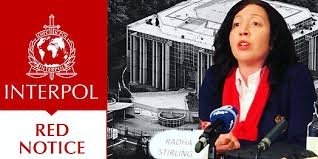
Interpol, or the International Criminal Police Organization, facilitates international police cooperation. Established in 1923, it enables police from various countries to collaborate in tracking down criminals, sharing information, and enforcing laws. One of the most significant functions of Interpol is issuing Red Notices, which are requests to locate and provisionally arrest individuals pending extradition. However, these notices can lead to serious legal predicaments for those named, emphasizing the necessity for adept legal counsel.
The Importance of Interpol Defense Lawyers
Interpol defense lawyers play an essential role in protecting the rights of individuals targeted by Red Notices. Their expertise is crucial for navigating the complexities of international law and ensuring that their clients do not face unjust extradition or prosecution. These specialized lawyers have an in-depth understanding of both domestic and international legal systems, allowing them to craft effective defense strategies.
Key Responsibilities of Interpol Defense Lawyers
The responsibilities of Interpol defense lawyers are manifold:
- Legal Representation: Providing representation in both national and international courts is paramount. Defense lawyers must be capable of arguing against extradition requests and ensuring the legality of any actions taken by law enforcement agencies.
- Client Communication: Maintaining open lines of communication with clients is essential, as individuals facing Interpol charges often experience stress and anxiety about their legal situation. Defense lawyers must keep clients informed about progress and potential outcomes.
- Research and Investigation: Conducting thorough research into the legal intricacies of each case, including the nuances of international law and the specific charges leveled against the client, is critical for building a strong defense.
- Negotiation Skills: Interpol defense lawyers often engage in negotiations with law enforcement and judicial entities to potentially mitigate the consequences of a Red Notice or to advocate for a client’s interests in extradition proceedings.
- Compliance Monitoring: Keeping track of compliance with international treaties and conventions related to extradition and human rights is necessary to safeguard the client’s interests.
Challenges Faced by Interpol Defense Lawyers

The work of an Interpol defense lawyer is fraught with challenges. The first challenge is the often-complex nature of international law, which varies significantly across jurisdictions. Lawyers must be well-versed in both the legal frameworks of their home country and those of the country seeking extradition.
Another significant challenge is the varying degrees of legal protections available in different countries. Some jurisdictions may have less stringent legal standards for extradition, making it easier for foreign entities to obtain a Red Notice, thereby threatening a client’s freedom.
Additionally, dealing with emotionally charged situations is a daily reality. Clients facing international charges may have their lives disrupted significantly and may struggle with distrust of the legal system. Addressing these emotional aspects while providing rigorous legal defense requires a delicate balance of empathy and professionalism.
Best Practices for Interpol Defense Lawyers
To effectively represent clients facing Interpol-related legal challenges, defense lawyers should adopt the following best practices:
- Continuous Education: Given the dynamic nature of international law and Interpol procedures, staying updated with the latest developments in the legal landscape is crucial. Regular training and attendance at relevant legal conferences can enhance a lawyer’s knowledge and skills.
- Building a Network: Establishing relationships with other international lawyers and organizations can provide valuable support and resources when navigating complex legal issues.
- Advocacy and Awareness: Engaging in advocacy work to raise awareness about the implications of Interpol Red Notices and the need for legal protections is essential. This could involve participation in public speaking events, writing articles, or collaborating with human rights organizations.
- Client Empowerment: Educating clients about their rights and the legal process empowers them to make informed decisions regarding their cases. This also helps establish trust and fosters a better client-lawyer relationship.
Conclusion
In conclusion, Interpol defense lawyers occupy a critical niche in the field of international law. They not only provide essential legal representation for individuals confronted with the implications of Interpol’s actions but also contribute to the broader dialogue about justice and human rights in the international arena. With the growing prevalence of global policing, having qualified and committed defense attorneys will remain crucial in ensuring that justice is served fairly and equitably.