The Enduring Legacy of Dracula: A Tale of Horror and Intrigue
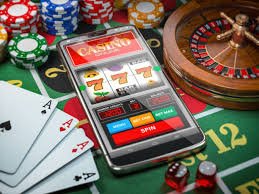
Dracula has captivated audiences for over a century, becoming one of the most iconic figures in the realm of horror. Whether through Bram Stoker’s groundbreaking novel or the myriad of adaptations it has spawned, the character of Count Dracula continues to intrigue and terrify. As a cornerstone of gothic literature, Dracula has transcended the pages of Stoker’s book to result in entire subcultures and industries. In this exploration, we delve into the origins of this legendary vampire, the social context of his creation, and the impact he has had on modern literature and society, along with the connections to contemporary themes such as gambling, as illustrated by platforms like Dracula https://draculacasinos.co.uk/.
The Birth of a Legend
Bram Stoker published “Dracula” in 1897, and it quickly became a bestseller, drawing readers into a dark and atmospheric world. The text is structured as an epistolary novel, composed of letters, diary entries, newspaper articles, and other documents. This unique format creates an immersive experience, allowing readers to piece together the narrative from multiple viewpoints. The story, set in both Transylvania and London, follows Jonathan Harker, Mina Murray, and Dr. John Seward as they confront Count Dracula in a battle between good and evil.
Inspiration Behind Dracula
Stoker’s creation of Dracula was fueled by a mix of folklore, historical figures, and personal experiences. While the character of Count Dracula is a fictional invention, many believe he was inspired by Vlad the Impaler, a 15th-century Romanian prince infamous for his brutal reign and penchant for impaling his enemies. The image of the bloodthirsty vampire was further influenced by Eastern European folklore, which featured various vampire legends that warned of the supernatural beings that roamed the night.
Thematic Elements
The themes presented in “Dracula” reflect the societal anxieties of the time, particularly around sexuality, immigration, and the clash of modernity with ancient superstition. Stoker explored the fears surrounding the ‘Other,’ represented by Dracula, who disrupts the lives of the English characters. The novel’s underpinning theme of sexuality is also significant; Dracula’s seductive nature and the sensuality of his attacks are emblematic of Victorian society’s repressed sexuality and the fear of female emancipation. These themes continue to resonate today, as they are woven into modern interpretations and adaptations.
Dracula in Popular Culture
The influence of Dracula extends far beyond literature. The character has been reimagined in countless films, television shows, and theatrical productions. From Nosferatu (1922) to Bela Lugosi’s iconic portrayal in the 1931 film “Dracula,” the vampire has entered the collective unconscious as a powerful symbol. More contemporary adaptations, such as HBO’s “True Blood” and the hit series “Dracula” produced by the BBC, showcase how the figure of Dracula can be adapted to explore modern issues, such as identity, sexuality, and morality.
Dracula and the Gambling Industry
Interestingly, Dracula has also left his mark on the gambling industry. Numerous online casinos, games, and themed slots have integrated elements of the vampire lore. These games often reflect the dark ambiance associated with Dracula and pad the ante on classic gambling experiences. This blend of gothic themes and gambling illustrates the character’s versatility and how he has permeated various aspects of entertainment, becoming a source of fascination for gamblers and horror lovers alike.
Modern Interpretations
The continuing adaptations of “Dracula” reflect the character’s relevance and the shifting tides of societal values. For instance, in the 2000s, creators began portraying Dracula not merely as a villain but as a tragic antihero. These modern adaptations challenge traditional narratives and allow audiences to sympathize with him, exploring his vulnerabilities, regrets, and search for redemption. The interplay between horror and romance adds layers of complexity, making Dracula a multifaceted character.
Conclusion
Count Dracula’s legacy is a testament to the power of storytelling and the deep-seated fears and desires that shape human experience. As we continue to explore this enigmatic figure through various artistic lenses, it becomes apparent that Dracula represents more than just a monster; he embodies the fears of the unknown, the allure of the forbidden, and the continuous battle between humanity and monstrosity. As long as there are tales to tell, the legend of Dracula will endure, transforming and adapting to reflect the society that conjures him.